MTA: The Bridge Between Hospital and Your Long-Term Home
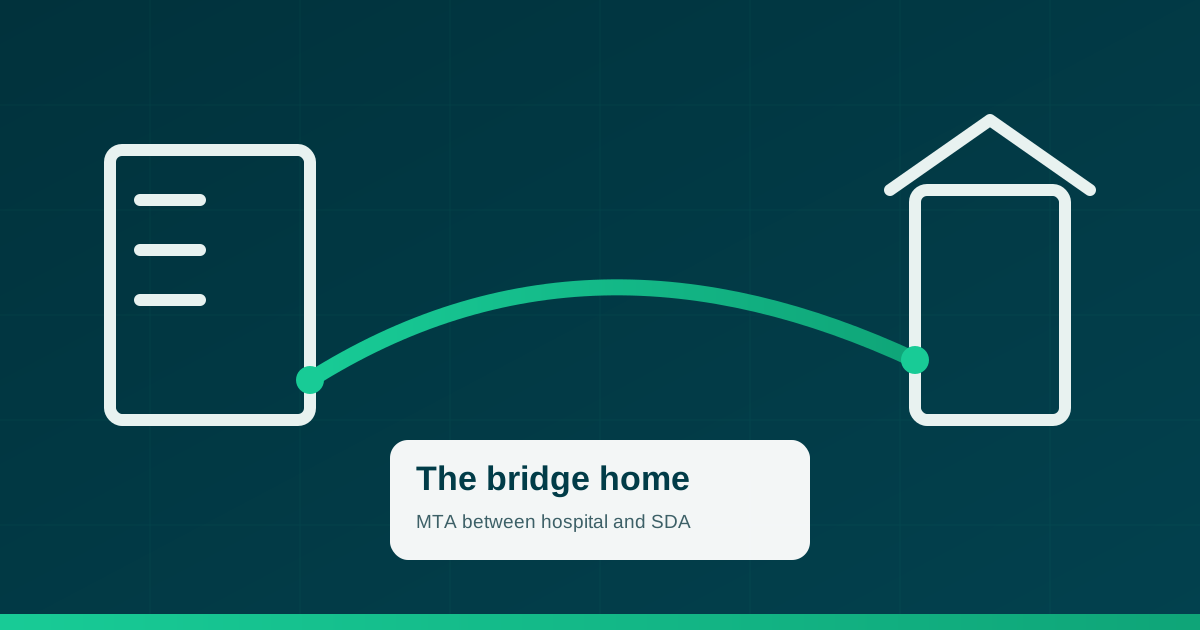
There’s a stretch of time in many participants’ lives that the housing system used to handle badly: the long-term home is confirmed, but it isn’t ready. The SDA build is months from completion. The home modifications are approved but not installed. The equipment is on order. Meanwhile — where do you live?
That’s the problem Medium Term Accommodation exists to solve.
What MTA is, in plain terms
MTA funds a transitional home for a defined period when a participant has a confirmed long-term arrangement they can’t yet access. The classic case is hospital discharge: medically ready to leave, but the destination home isn’t suitable or isn’t finished. Rather than an extended hospital stay or an unsuitable interim arrangement, MTA funds somewhere appropriate to live while the pieces land.
It’s distinct from STA, which funds short stays and respite in blocks of days. MTA runs longer — typically weeks to months — and behaves more like a home than a stay: same bed, settled routines, support team working in one consistent environment.
Why the home itself matters so much
A transitional period is exactly when a participant can least afford an environment that fights them. Recovery, new routines, sometimes new support teams — all of it goes better in a home with genuine accessibility rather than a compromise arrangement. Purpose-built homes make the interim months feel like living, not waiting.
There’s a practical bonus when the transitional home resembles the destination: hoist transfers, bathroom routines and support workflows get rehearsed for months before the real move-in day.
What a well-run MTA stay includes
Discharge-ready timelines matter most — hospitals plan in days, so a provider who can assess, confirm and prepare a home quickly is worth a lot. Beyond that: coordination with the participant’s support team from the first conversation, clear inclusions, and flexibility when the long-term home’s timeline shifts — because build dates and mod schedules do shift.
Because our transitional homes are SDA-standard builds, participants waiting on an SDA placement wait in the kind of home they’re waiting for. Enquire about MTA availability here or talk to us directly if you’re working to a discharge date — those conversations we prioritise.
FAQ
What is Medium Term Accommodation in the NDIS?
MTA is transitional housing funding for participants who have somewhere long-term confirmed but can't move in yet — commonly while waiting for SDA availability, home modifications or equipment. Stays typically run weeks to months.
What's the difference between STA and MTA?
STA funds short stays and respite measured in days; MTA funds a transitional home for a longer defined period while a confirmed long-term arrangement gets ready. They solve different problems and are funded differently.
Looking for a genuinely accessible stay?
Purpose-built SDA homes available for STA, respite and MTA stays.
Check availabilityGeneral information only — not financial, tax or NDIS advice. Rules and price arrangements change; check current NDIS guidance or speak with your provider.