The Real Holding Cost of an Empty SDA Property
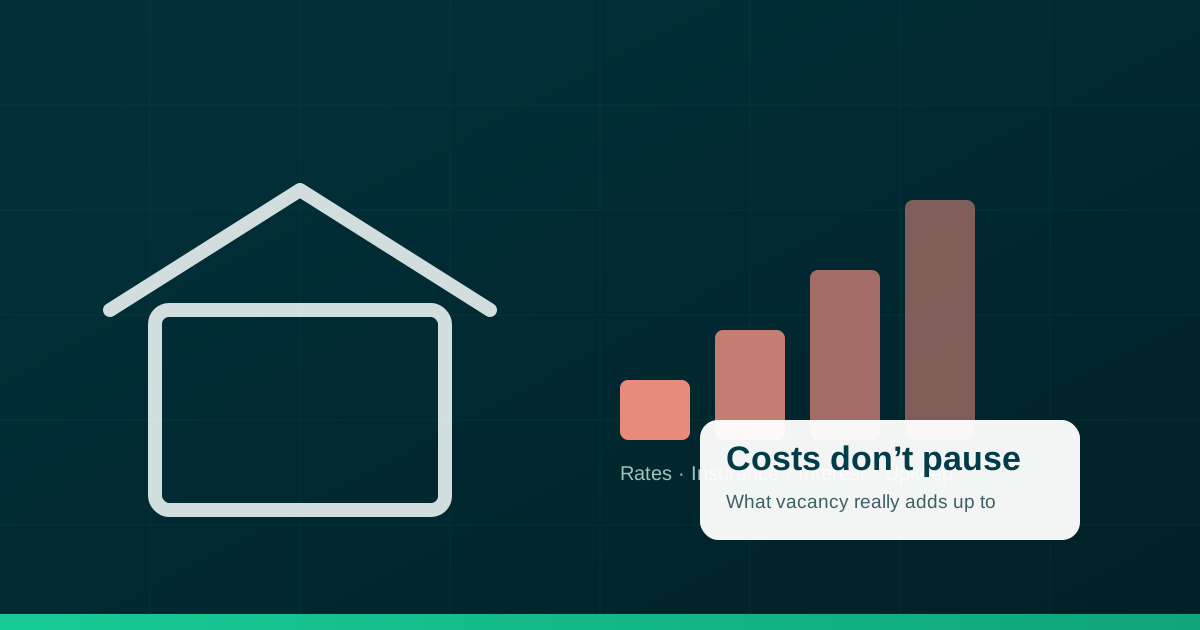
Nobody buys an SDA property planning for it to sit empty. But between enrolment and the day a long-term participant moves in, most owners discover a stretch of months they never budgeted for — and the costs don’t pause just because the income hasn’t started.
Here’s what surprised us when we started tallying it with owners: the mortgage is rarely the whole story. It’s the quiet lines underneath that grind.
The costs that keep running
The finance cost is the obvious one — on a specialist build, usually the largest monthly line by far. Then come council and water rates, which arrive on schedule whether anyone is home or not.
Insurance on a vacant property deserves its own mention. Many policies treat an unoccupied home differently after a set period, and some owners only find this out when they read the fine print. Check yours — a vacancy clause is not something you want to discover at claim time.
After that: utilities kept connected for inspections, garden and pool upkeep so the home shows well, and the small maintenance jobs that never stop. A home that looks unloved from the street is harder for your provider to place — prospective participants and their families notice what everyone notices.
The costs nobody invoices you for
Two more lines never appear on a bill. The first is condition drift: unaired homes develop musty smells, seals dry out, and small faults go unnoticed for months because nobody is there to notice them. The second is opportunity cost — every vacant week is a week the home could have been hosting a funded short stay.
A vacant SDA home doesn’t just earn nothing. It quietly costs you twice — once in outgoings, once in the income it never made.
What the alternative looks like
Purpose-built accessible homes are exactly what STA, respite and MTA guests struggle to find. Structured properly — with your SDA provider’s agreement, documented before any guest arrives — short stays can cover a meaningful share of those holding costs while your provider keeps searching. And an active, furnished, well-kept home shows better at every viewing.
The first step isn’t a commitment; it’s arithmetic. Work out your true monthly holding cost, then compare it with an indicative short-stay income estimate for your home’s location and design category. If the gap is big enough to matter, here’s how the managed arrangement works from assessment to handback.
FAQ
What does a vacant SDA property cost per month?
It depends on your loan, location and insurance, but the categories are constant: finance costs, council and water rates, insurance, utilities, garden and maintenance, and compliance upkeep — all still due while the home earns nothing.
Can an SDA home earn income before a participant moves in?
Often, yes. Funded short stays such as STA, respite and MTA can be structured with your SDA provider so the home earns during the vacancy period. The arrangement should always be documented with your provider first.
What could your vacant weeks be worth?
Two minutes, no obligation — an indicative income range for your SDA-ready home.
Get your income estimateGeneral information only — not financial, tax or NDIS advice. Rules and price arrangements change; check current NDIS guidance or speak with your provider.