Guaranteed Rent vs Managed Short Stays for SDA Homes: An Honest Comparison
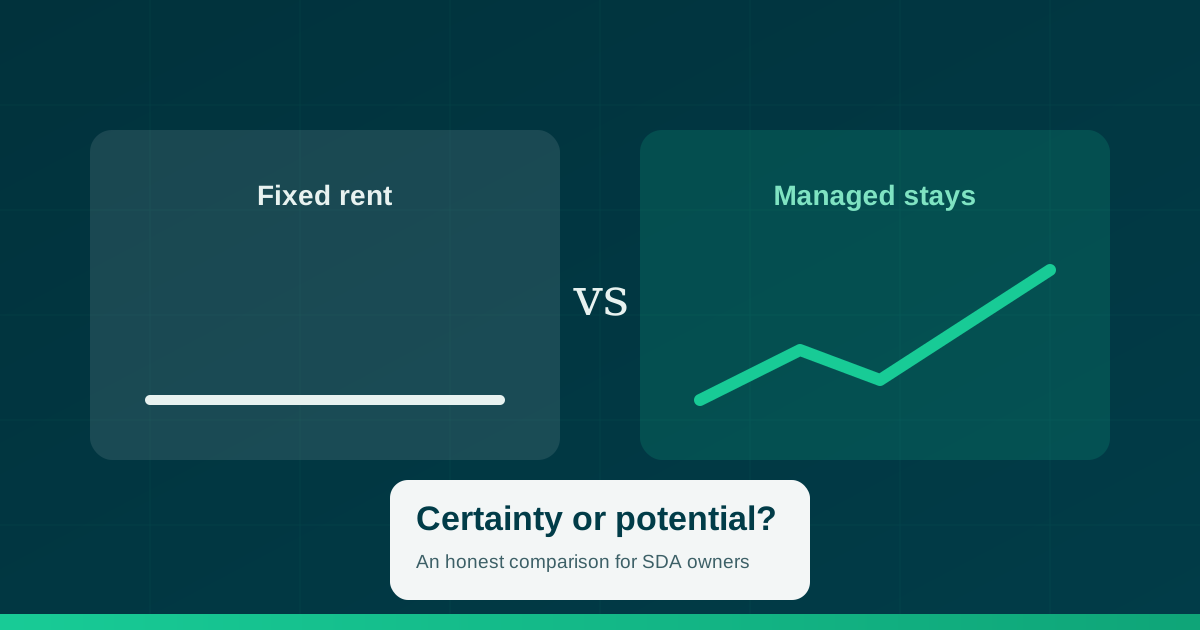
Once an SDA owner decides the vacancy period shouldn’t be dead money, two models usually land on the table: hand the home to someone for a fixed weekly figure, or run managed short stays and take the earnings as they come. Both are legitimate. They just suit different owners — and the differences are worth seeing clearly before signing anything.
What each model actually is
Guaranteed rent is simple: an operator pays you a fixed amount, takes over the home, and keeps whatever they make above your figure. Managed short stays work differently: an operator like us runs funded STA, respite and MTA stays in the home, you receive the income, and the operator’s fee is a percentage — if the home doesn’t earn, neither does the manager.
Certainty vs potential
The fixed figure wins on predictability, and for owners under real cash-flow pressure that certainty is genuinely valuable. But the figure is set low for a reason — the operator carries the vacancy risk, so they price it in. With managed stays, strong months are yours. Accessible homes are scarce in the short-stay market, and demand for genuinely hoist-equipped, level-entry properties is persistent; the trade is accepting that quiet months are yours too.
The question that matters most: handback
Here’s where the models diverge sharply for SDA owners specifically. Your provider could confirm a long-term participant next month. A fixed-rent agreement with a lock-in term can turn that good news into a negotiation. A properly structured short-stay arrangement is built around the placement from day one — provider coordination agreement first, agreed notice, home handed back inspection-ready.
There’s a second-order effect too: short-stay guests keep the home furnished, aired and show-ready, and trial stays can become the placement. A guaranteed-rent operator has no incentive to help your provider fill the home — that ends their deal.
A quick decision frame
Ask yourself three things: how much income certainty do you genuinely need month to month; how close does your provider believe a placement is; and does the agreement in front of you release cleanly when a participant is found? If certainty dominates, fixed rent has a case. If the goal is maximum earnings and maximum placement-readiness, managed stays usually win.
Run the numbers for your own home with our two-minute income estimate — and whichever path you choose, make sure the enrolment question is answered first.
FAQ
Is guaranteed rent or short-stay income better for a vacant SDA home?
Guaranteed rent trades income potential for certainty; managed short stays trade some certainty for higher potential and a home that stays placement-ready. Which wins depends on your cash-flow needs and how your provider's search is tracking.
Can I switch between the two models?
Often, yes — but check lock-in terms. Fixed-rent agreements commonly run for set terms, while managed short-stay arrangements typically wind down on agreed notice.
What could your vacant weeks be worth?
Two minutes, no obligation — an indicative income range for your SDA-ready home.
Get your income estimateGeneral information only — not financial, tax or NDIS advice. Rules and price arrangements change; check current NDIS guidance or speak with your provider.